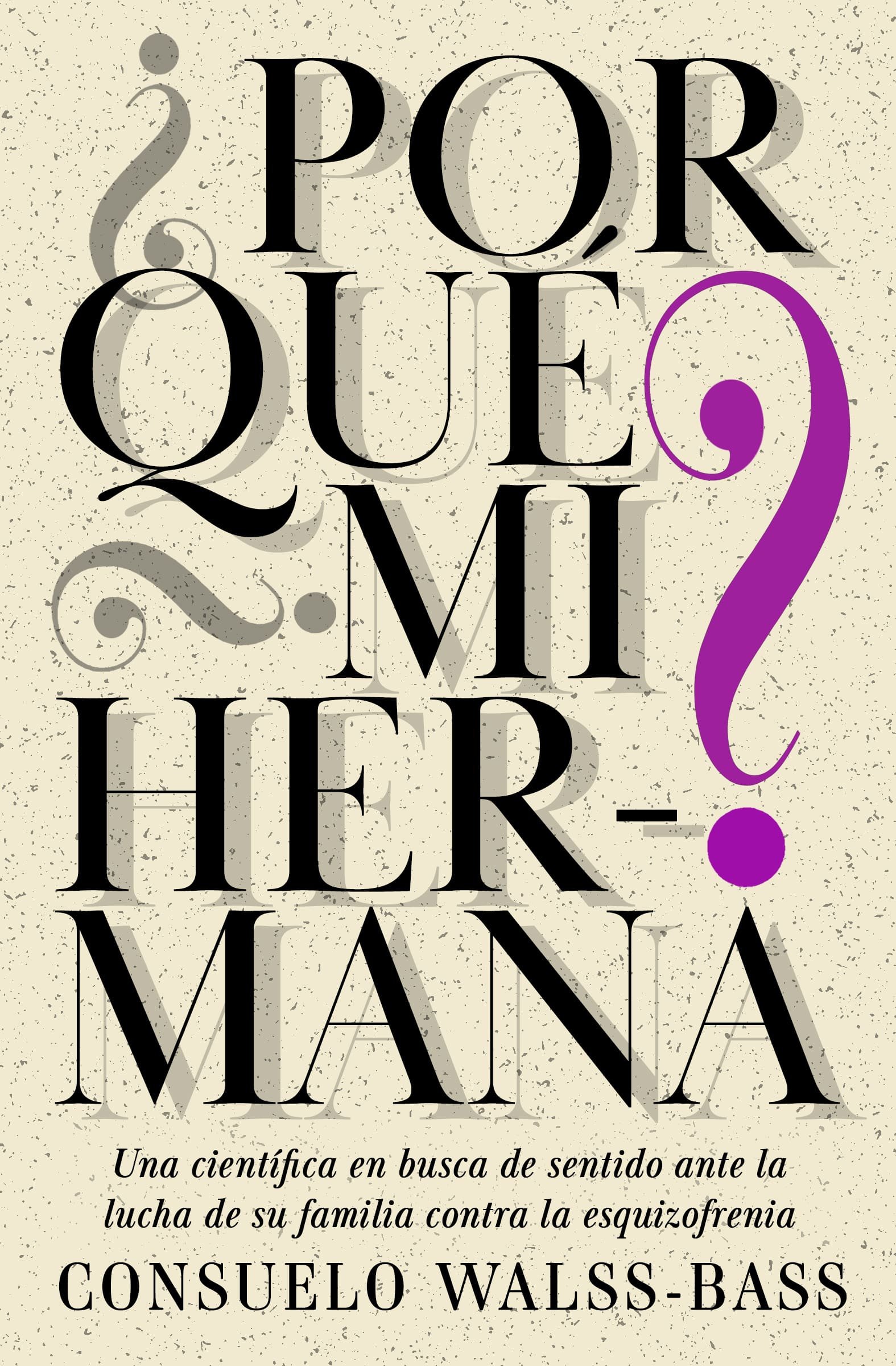
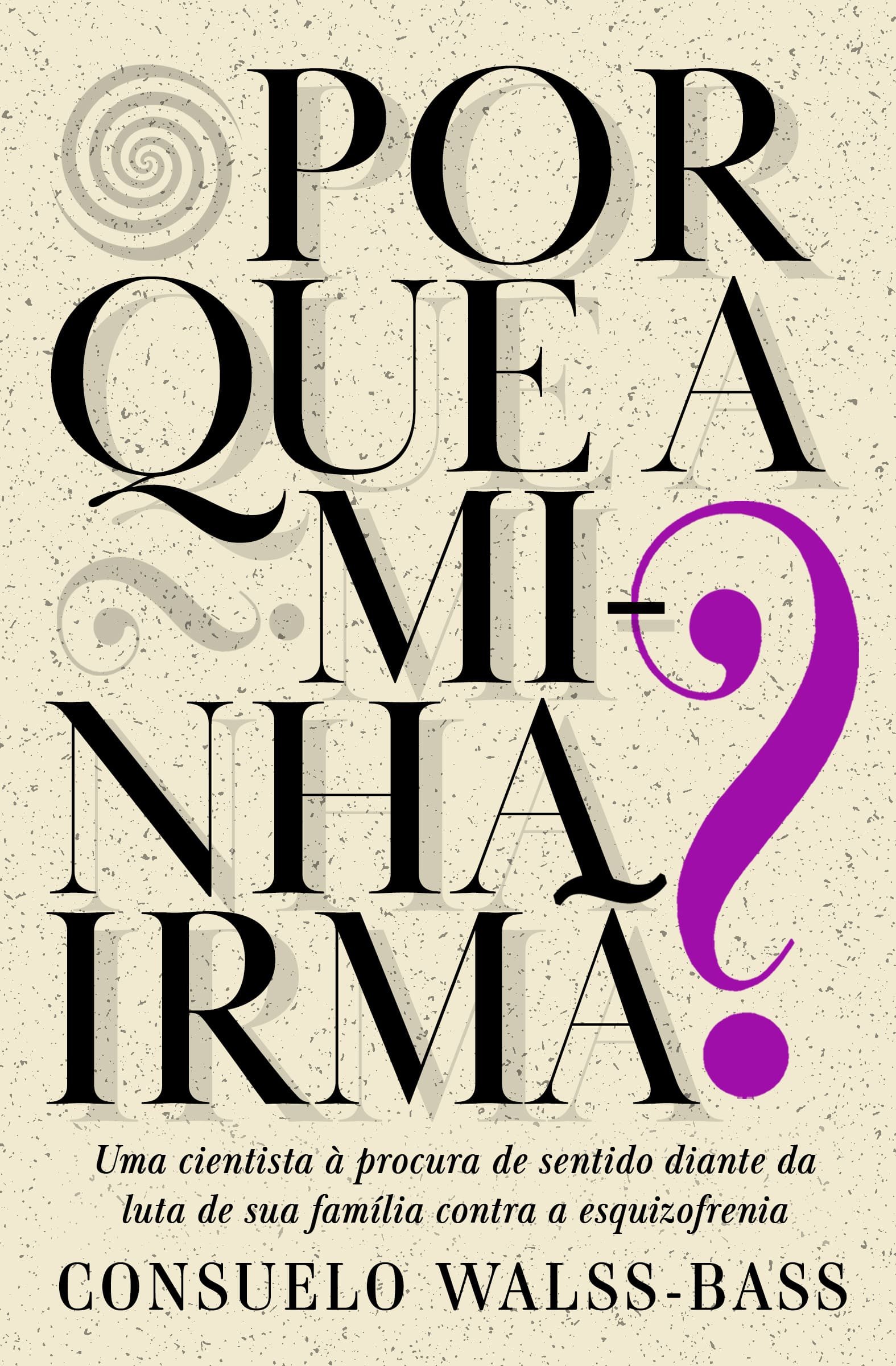
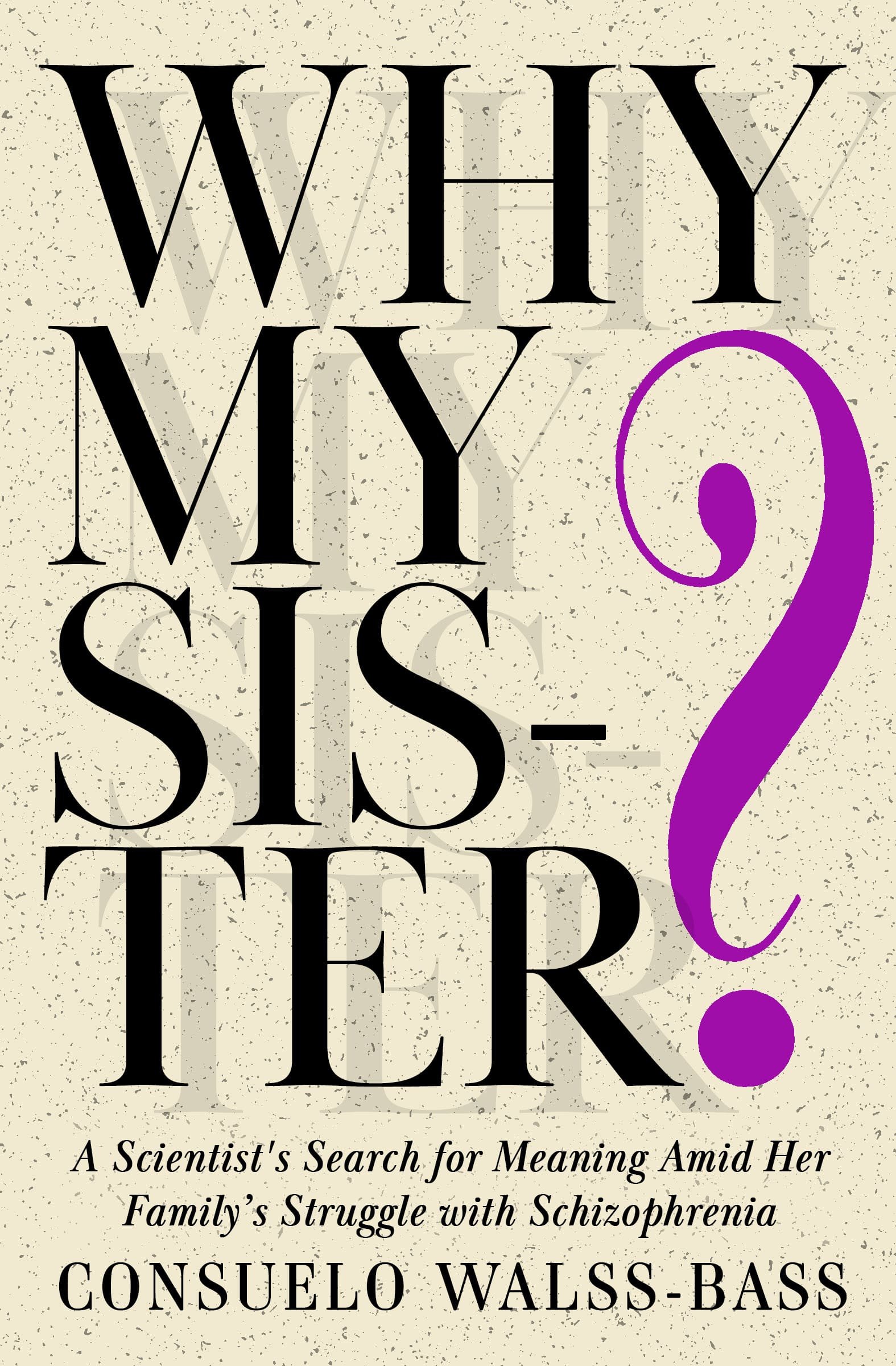
Our First Title
Forthcoming 2026
Español
Português
English
Deutsch
Italiano
Perché Mia Sorella? · ¿Por Qué Mi Hermana? · Why My Sister? · Por Que a Minha Irmã? · Warum Meine Schwester?
In 2026, Why My Sister? will be published in five languages across two launch phases. The first phase, in English, Spanish, and Portuguese, will simultaneously reach over 95% of the Western Hemisphere's population in their native language:
approximately one billion people.
The second phase will bring the book to Europe with German and Italian editions, reaching over 150 million readers in Germany, Austria, Switzerland, and Italy. Not a book with translations to follow. A book conceived from the start to belong to both sides of the Atlantic, and to become a landmark in the global struggle for mental health awareness and against the stigma that has silenced families like Chelo's for generations.
Get notified when the book launches
The image that will not let go
"Paty, the younger sister, sitting on the edge of her bed at five in the morning in her freshly pressed school uniform, refusing to lie down so as not to wrinkle it. Chelo watches from the doorway and says nothing. She knows, without yet knowing that she knows, that something in her sister is breaking in a way no doctor in Torreón will be able to repair. And then the book begins."
on ¿Por Qué Mi Hermana?
Why My Sister? launches in 2026 in five languages across two phases. The first phase, in English, Spanish, and Portuguese, simultaneously reaches over 95% of the Western Hemisphere's population in their native language: approximately one billion people. The German and Italian editions follow shortly after, carrying this memoir to over 150 million readers in Germany, Austria, Switzerland, and Italy. Not a book with translations added later. Five editions conceived together, belonging to the same moment, on both sides of the Atlantic.
"Llega a México como si siempre hubiera sido nuestro, porque en el fondo lo es." - It arrives in Mexico as if it were always ours, because at heart it is. - A Mexican Review
About the Book
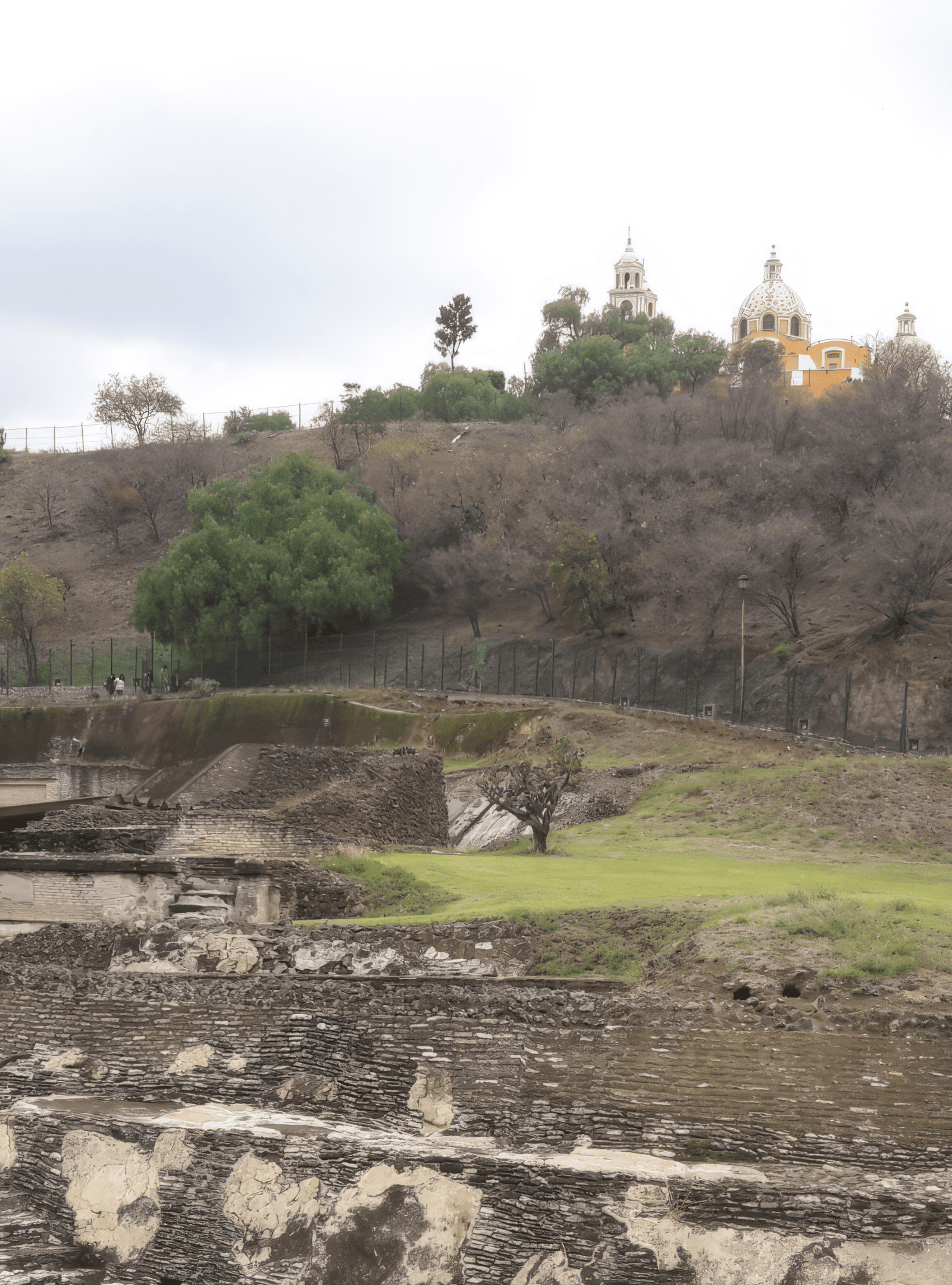
Why My Sister? traces the Walss family across generations and borders - from a young medical student watching patients in flowing white gowns at a hilltop sanatorium in Puebla, Mexico, to a Houston laboratory where skin cells are transformed into miniature brains.
At its center: five siblings, the same genes, the same chaotic childhood with a mother lost to psychosis. Four went on to distinguished careers. One - Paty, brilliant and beloved - drew flowers that slowly morphed into shapeless blobs as her cognition crumbled. She now lives in Chelo's garage apartment, stabilized on clozapine after years of chaos.
"É memória e é ciência. É confissão e é investigação. É, acima de tudo, uma pergunta que dói."
It is memory and science. Confession and investigation. Above all, a question that hurts. - Brazilian review
Walss-Bass weaves FKBP5 polymorphisms and iPSC-derived neurons together with searingly intimate family history - a childhood defined by silence, resilience, and the slow realization that something in her family could not be outrun.
Structure
Part I
The Mother
Beautiful, religious, unstable, frightening. The night she walked into the dark with the baby and said nothing.
Part II
The Siblings
Five children forged by the same fire. A father brilliant and absent. The scattered years before everything changed.
Part III
The Sister
Paty. The same dice. A different result. The question that became a career and a life's work.
Epilogue
The Science
Thirty years of progress - and the uncomfortable truth that the struggles have not really changed.
From the book
"I started writing this book during the year of COVID isolation. My father had moved in with us, and for the first time in my life, we really talked. Learning about my parents' history gave me a new understanding of my own life." · · ·
The rest belongs to the book.
From the Pages
Real moments. Real family. A lifetime compressed into a question.
Torreón, Mexico, late 1970s
Chelo opened her eyes and there was Paty — sitting cross-legged on the rug, in front of her bed, all dressed up in her brand-new uniform. "Is it time yet?" "No! Go back to sleep." Paty refused to get in bed for fear of wrinkling it. Chelo knew her sister would still be sitting in the same spot in a few hours when she woke up. She instinctively knew that Paty needed her.
Chapter 6 · Back to the Roots
Ohio, mid-1970s
They walked down long, seemingly interminable dark corridors, women in strange gowns all around. Some mumbled to themselves. Others were wailing. Finally, a small, barely illuminated room. Just a bed and a nightstand. Mami was lying in it. They ran to her, but something was not right. She barely smiled. She did not hug them back as they all put their arms around her.
Chapter 5 · The Pendulum Swings
Torreón, Mexico, late 1980s
She remembered the day they flew to Mexico. Walking in the airport behind her mother, dressed in slim tight black pants and a red leather jacket, she thought her mother looked stunning, and she was sure she caught some people casting furtive glances at her. It seemed that Eugenia enjoyed the attention.
Chapter 8 · Everyone is on Their Own
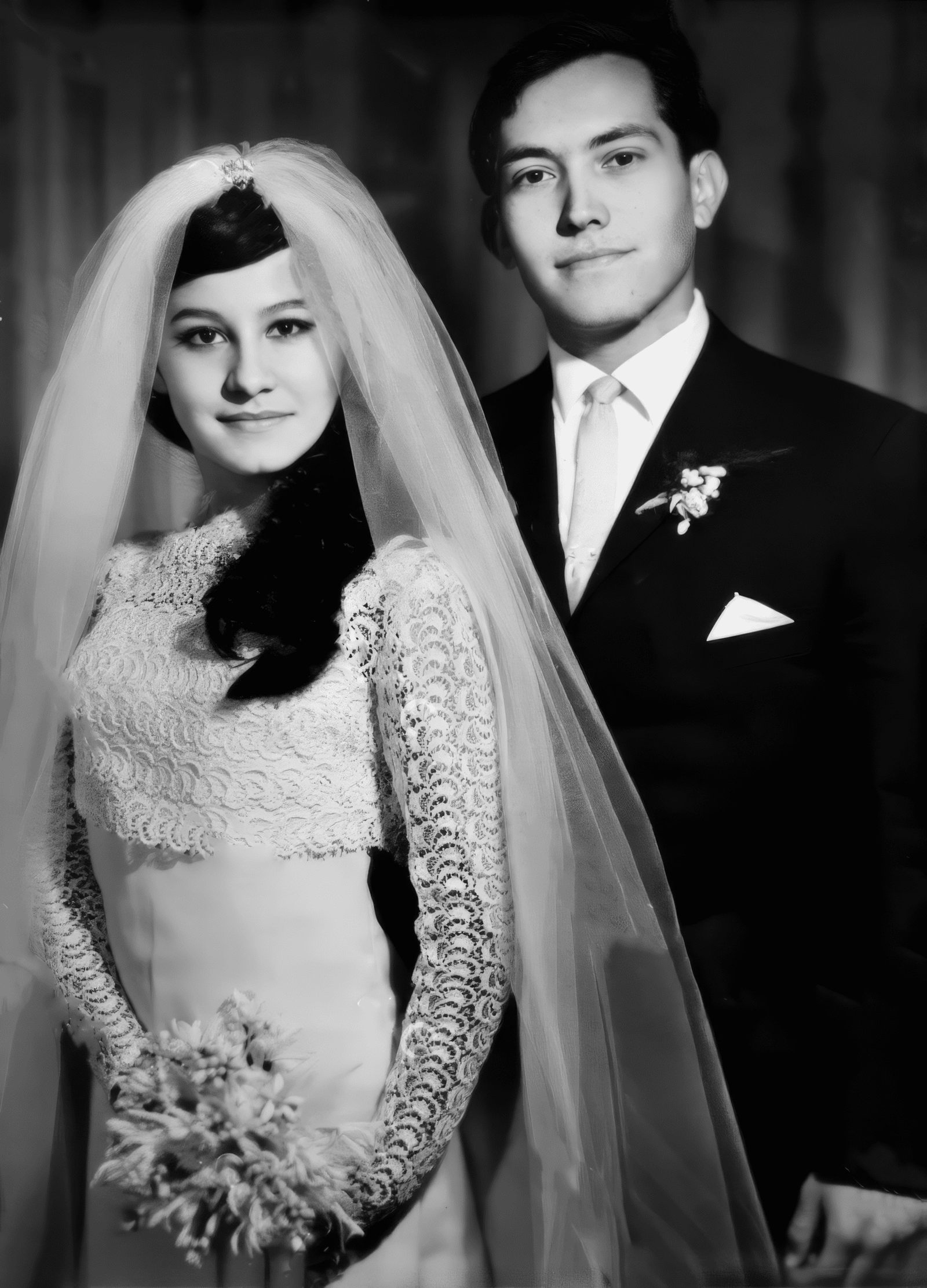
They were young, beautiful, and in love. The family they would build together would be large, loud, and full of life. No one could have known what was coming.
Torreón, Mexico, late 1980s
"Don't you know? He is dead! Dead!" Chelo erupted in a loud wail. Her friend drove immediately to the funeral home. Sure enough, Jenny was already there, sitting on a chair, staring blankly at a wall, surrounded by people. Chelo pushed through them, kneeling at her feet, and buried her head in Jenny's lap, crying uncontrollably. Jenny was not crying. She consoled Chelo. "Don't worry, Chelito, we're going to be fine."
Airport, en route to Orlando
Just as a kettle at its boiling point starts hissing loudly, she started screaming obscenities, her voice getting louder and louder. Leo and Chelo were stunned. They had never seen Paty act this way. Everyone was staring. Eugenia, mortified, started mumbling to herself. The loudspeaker announced that boarding was now in progress.
Chapter 12 · Unraveling
San Antonio, early 2000s
Her favorite thing to paint was flowers, in all kinds of shapes and colors. Her gradual cognitive decline could be traced from her paintings, over the span of a few months. The flowers slowly started to become amorphous, until they were just blots of color. Then the voices became louder. The psychosis was soon out of control.
Chapter 15 · Prodigal Daughter
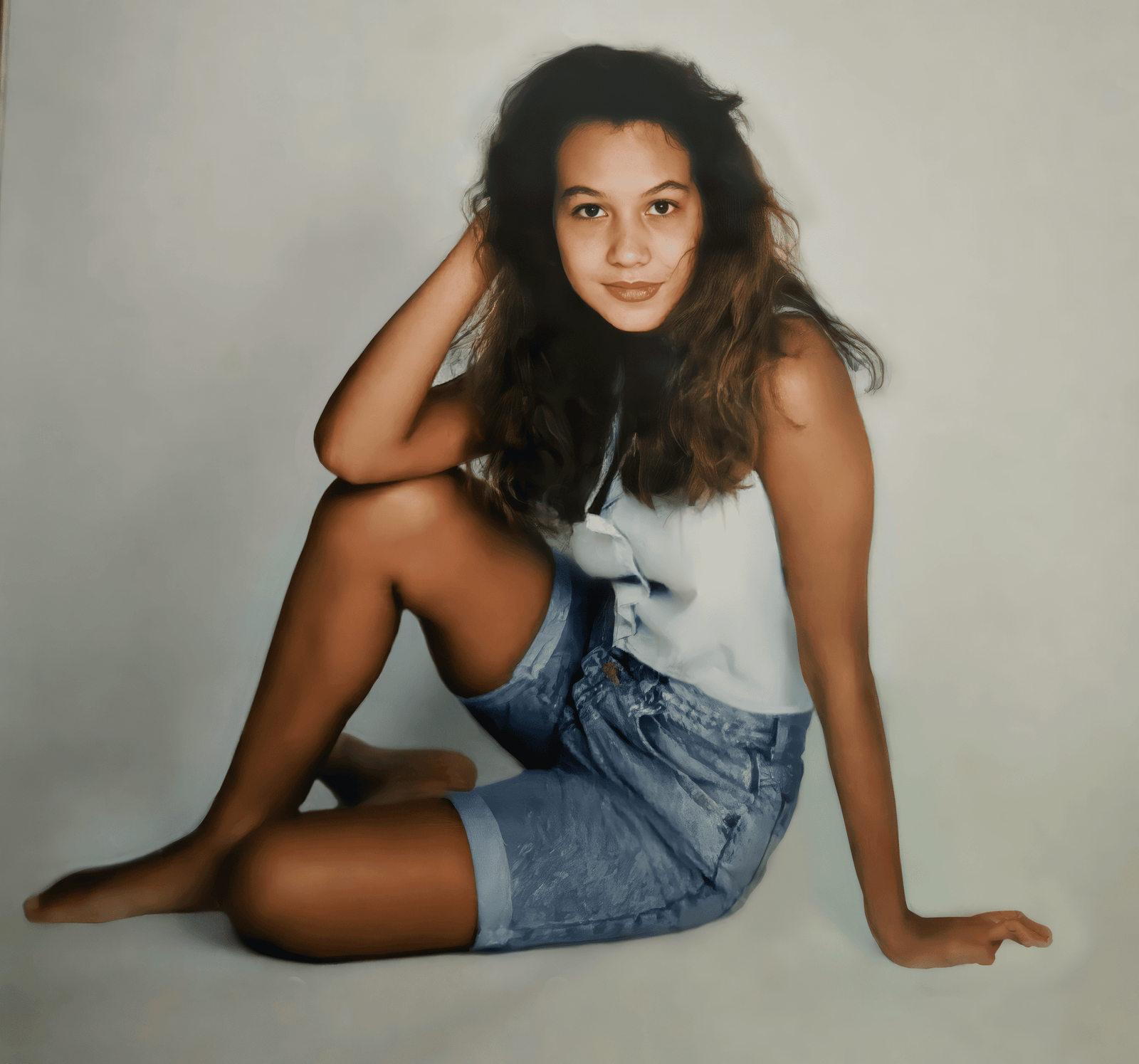
They called her the pretty one. She was a model, she was brilliant, she was beloved. The illness did not care.
Brownsville, Texas
"My name is Isaac. I am married to your daughter Paty." Rodolfo felt a strange mixture of relief and disbelief. She is ok. She is married? Then: "She has been diagnosed with schizophrenia." Rodolfo started to cry, not caring that he was still on the phone. He had dreaded this moment. He had hoped against hope it would never come to pass.
Chapter 15 · Prodigal Daughter
Houston, 2016
Dan's soothing voice pacified her. The officers were gentle, well trained for this. Paty offered no further resistance — but as she was getting into the van, her last words to Chelo were: "I will never forgive you for this!"
Chapter 17 · Breakthroughs
Houston, Texas, 2025
Being around her sister is hard for Chelo. She loses patience often and is easily irritated when Paty asks the same questions repeatedly or does not follow simple instructions. It is as if she sees her mother in her. Feelings of anger, helplessness, and distressing memories, memories she tries hard to repress, swell up to the surface. She knows there is no rational explanation for this; it is not her sister's fault. But she cannot help it.
Chapter 18 · Two Sides of a Coin
Eugenia
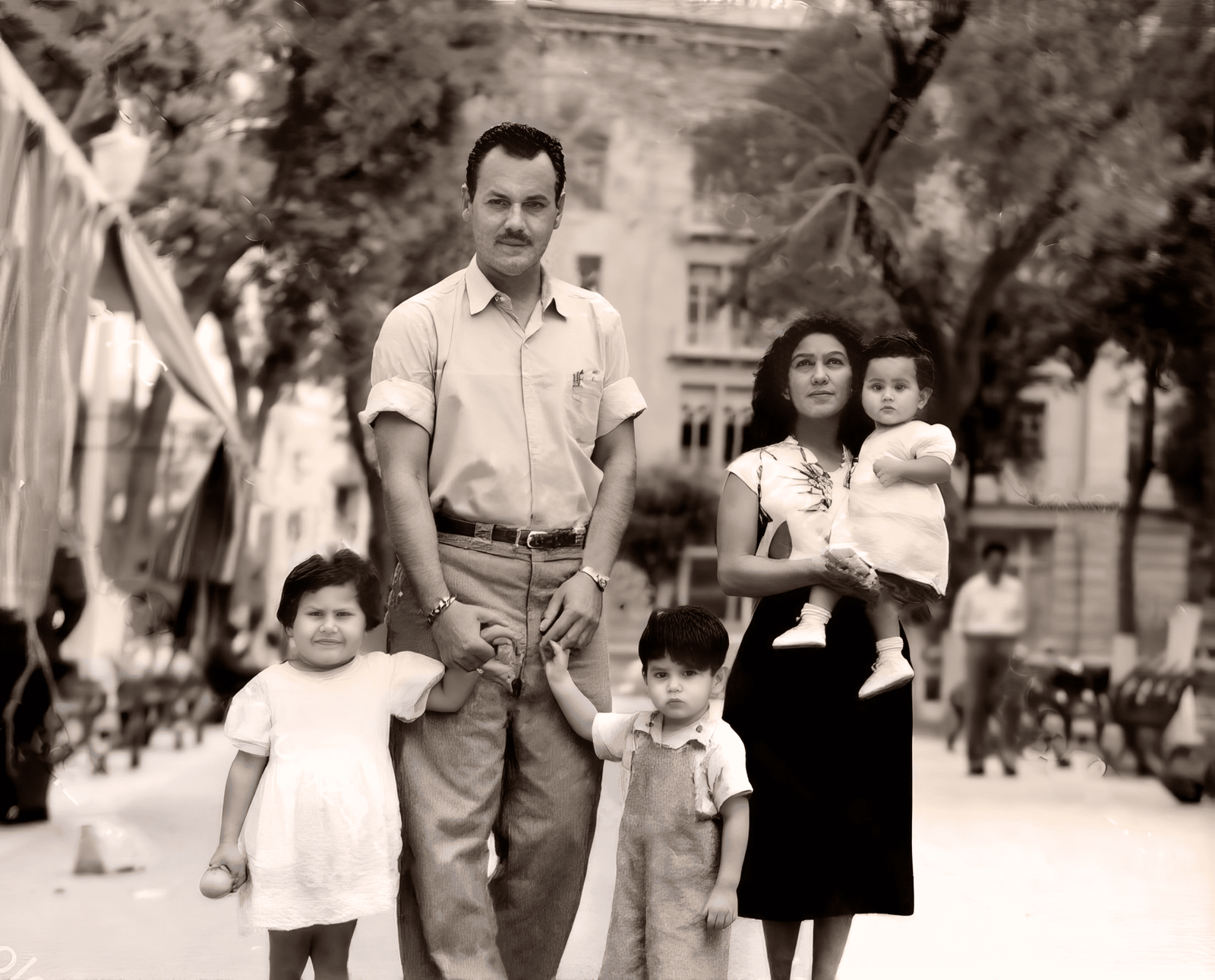
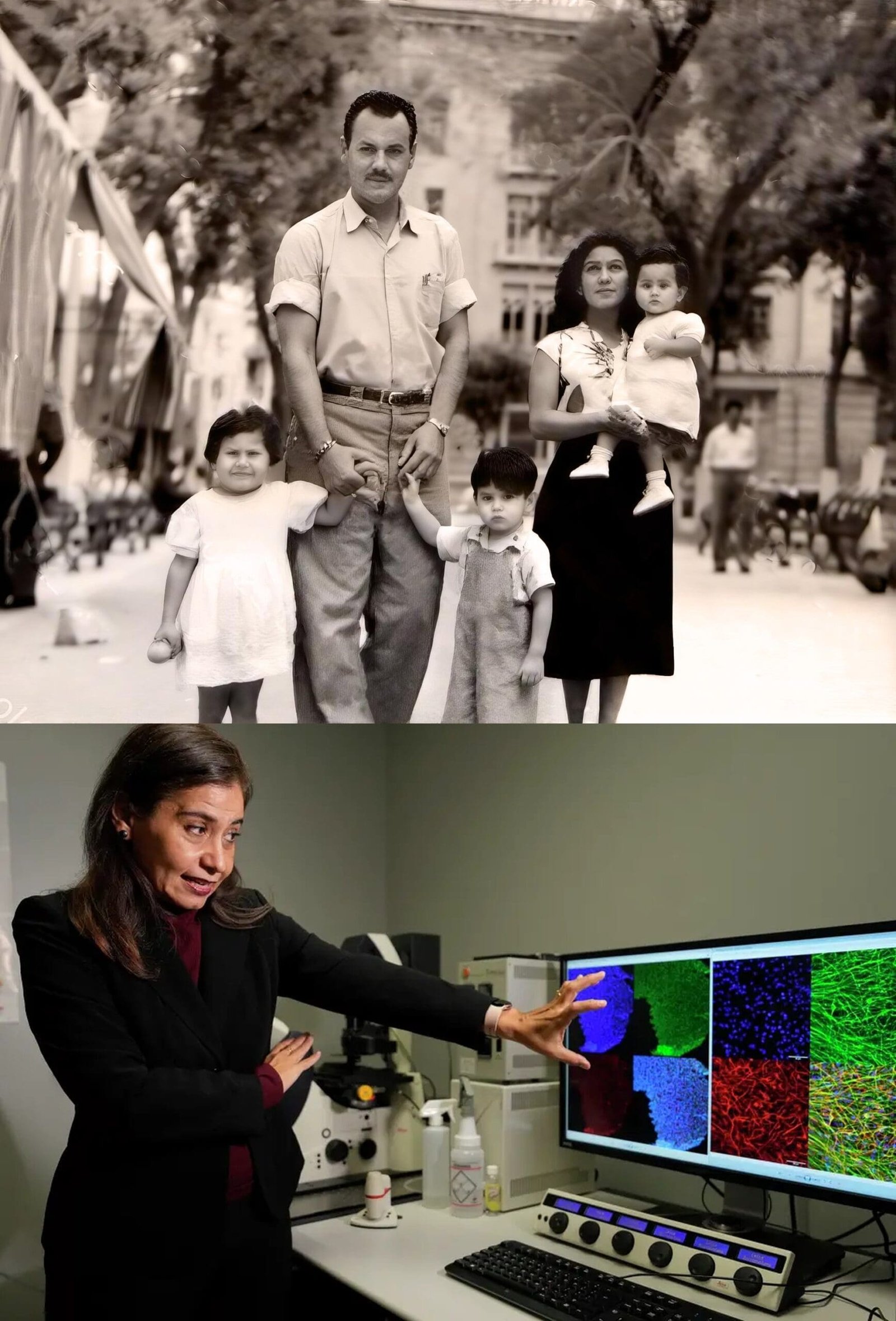
Everything in this book begins with her. A girl on a street in Torreón in 1953, holding her father's hand. The wife he stood by despite everything. The mother they loved was the same mother they feared. She brought inside her the question they could never stop asking.
Houston, Now
"I now worry about my own children. I have done my best to reduce their stress levels since they were babies. I know this is all I can do. The genetics are there. But maybe I can do something about controlling their environment. The question remains: Why her? The struggles remain. The fight continues. But hope endures."
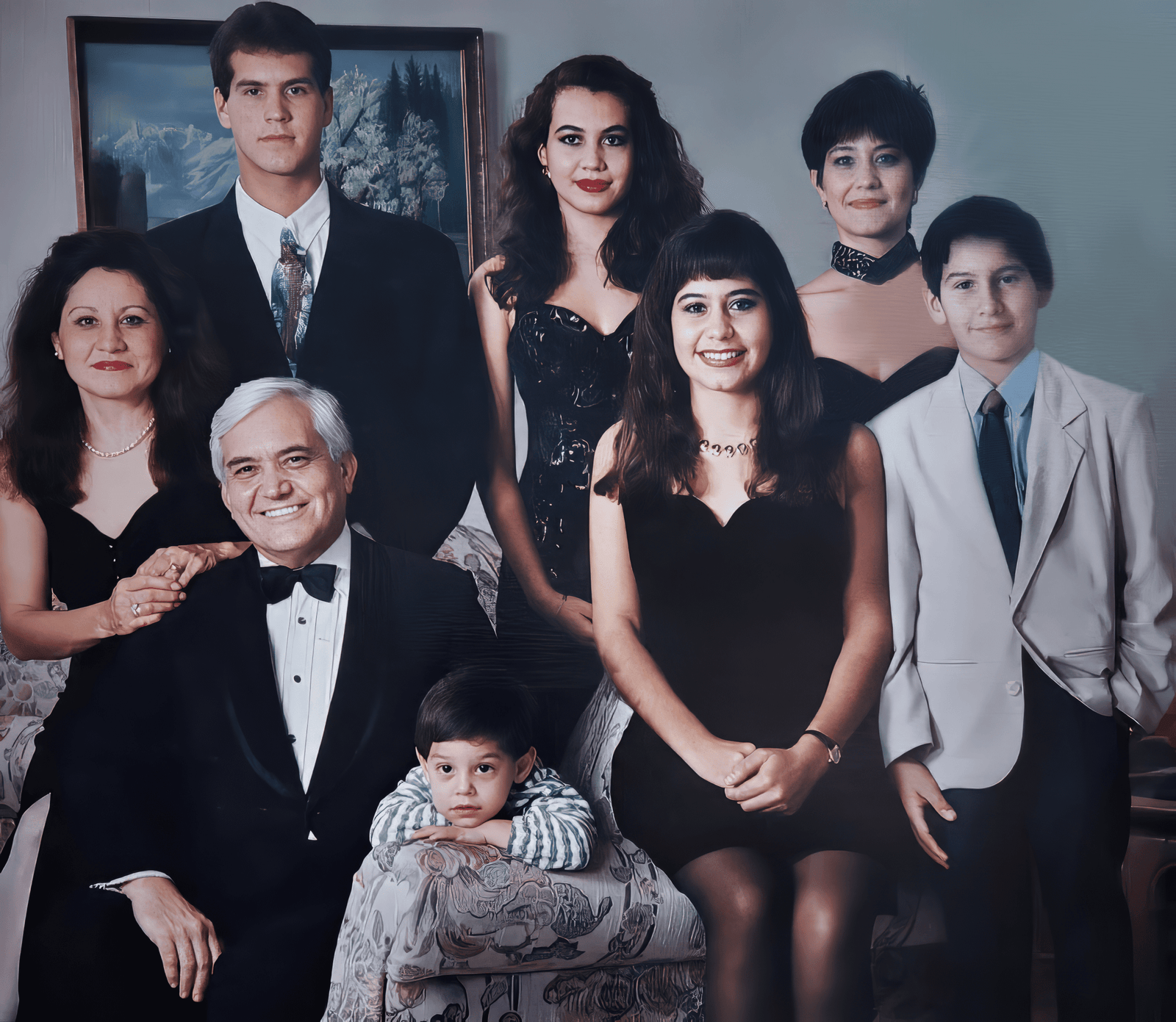
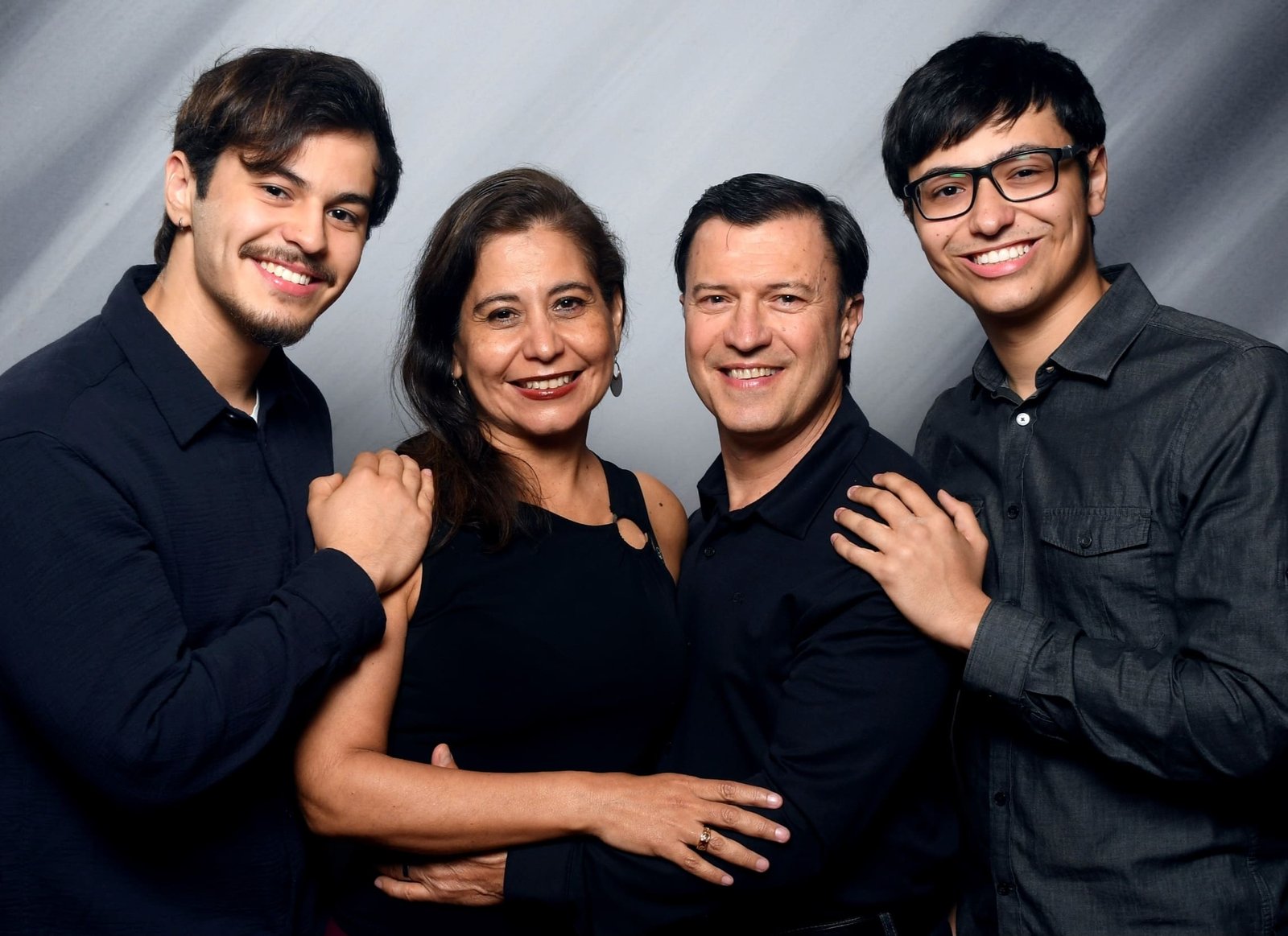
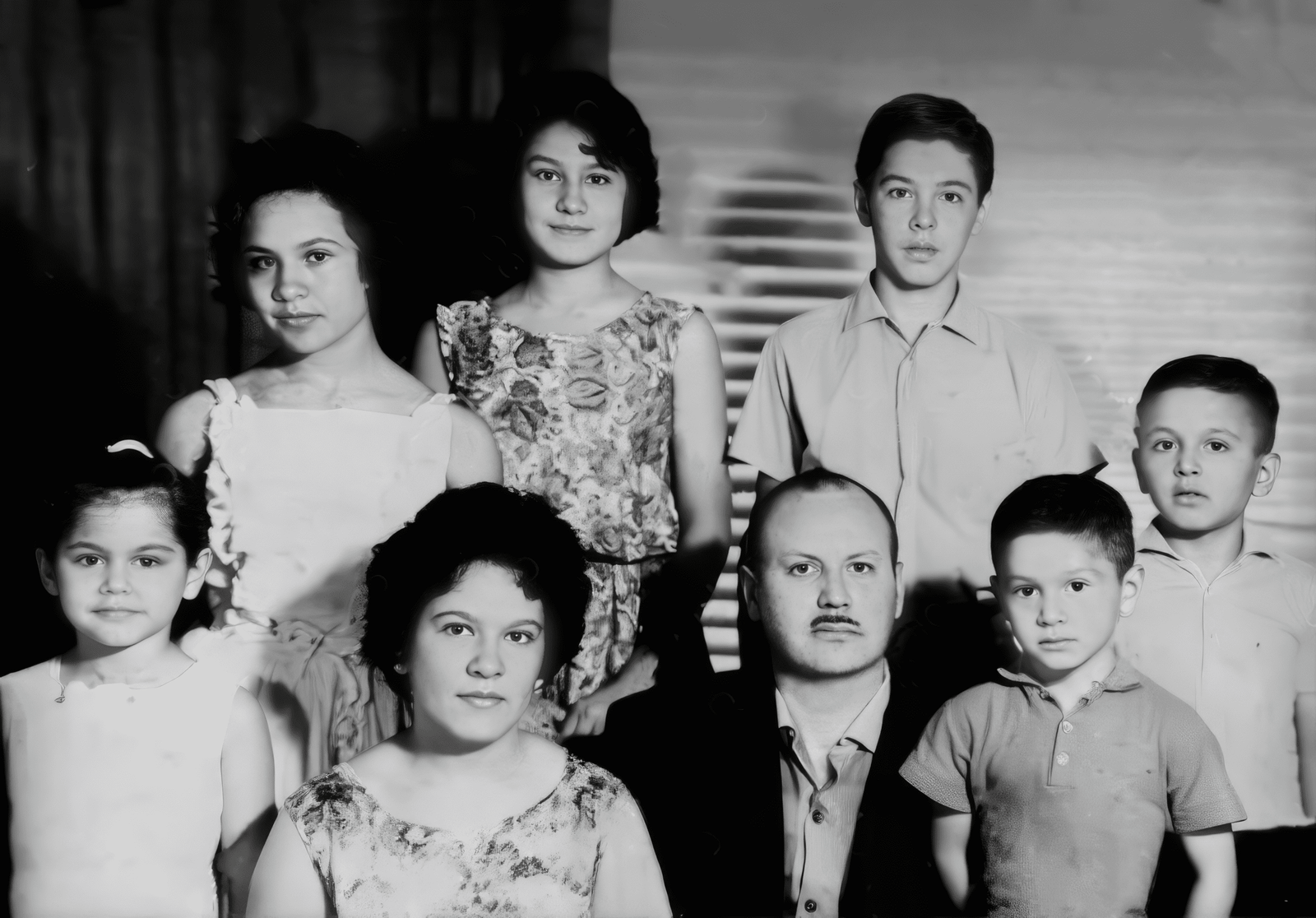
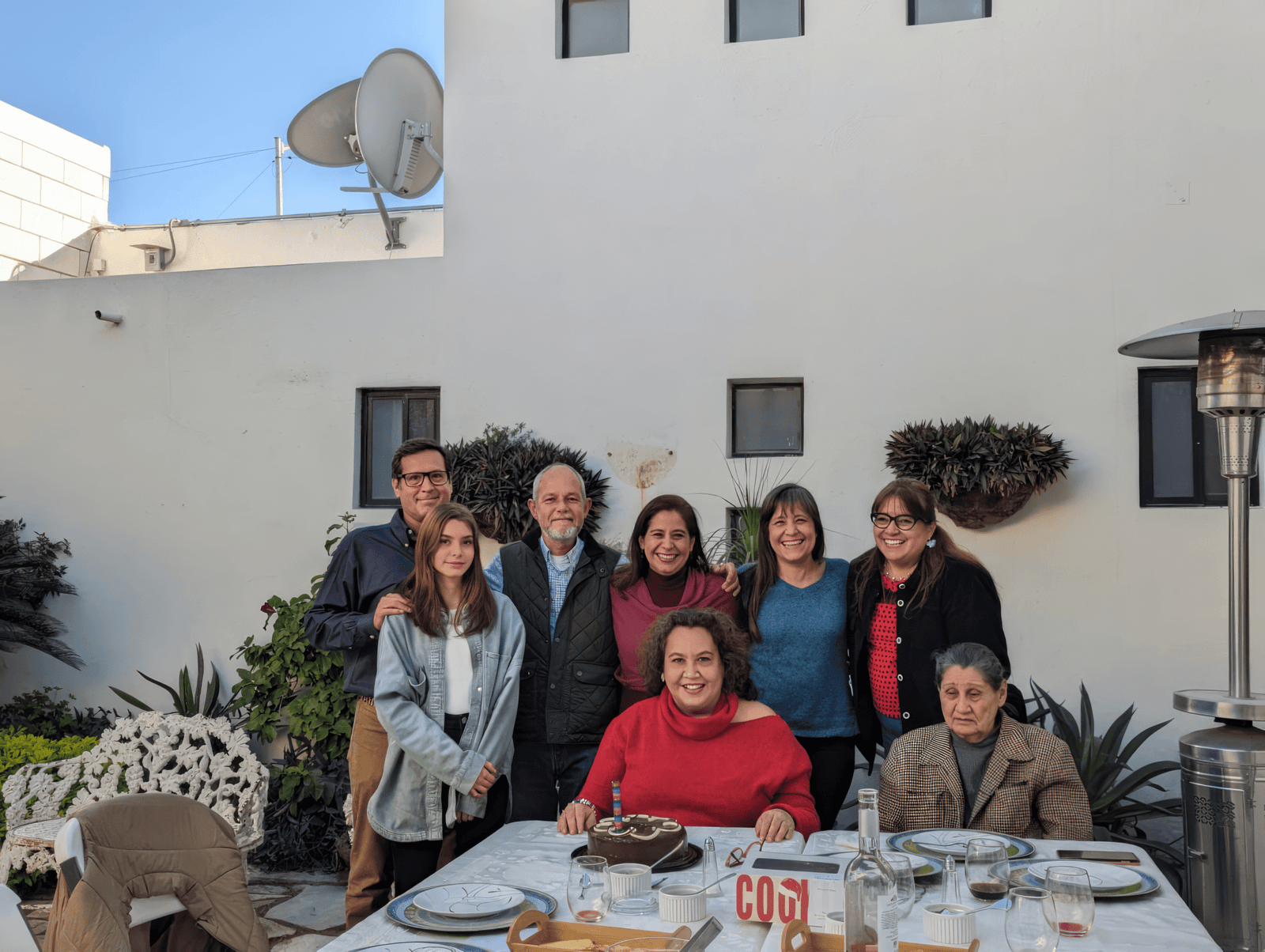
The Walss-Bass family
These are fragments only. The story belongs to the book.
Get notified when the book launches
Critical Response
🇺🇸 English
"What makes this book truly extraordinary is Chelo's refusal to separate the scientist from the sister. It is not a narrative device. It is a form of intellectual honesty. It is Chelo saying: I needed to understand in order to survive." - A work that transcends its own genre.
Why My Sister? · Advance Review
🇲🇽 Spanish
"El libro que escribió no es un libro de ciencia. Es un libro sobre la culpa de haber sido salvada. Chelo no se enfermó. Paty sí. La misma madre. El mismo padre. La misma infancia en el norte de México. Los mismos dados. Distinto resultado." - México no debería dejarlo pasar.
A Mexican Review · ¿Por Qué Mi Hermana?
🇧🇷 Portuguese
"A escrita tem a contenção de quem aprendeu desde criança a não chamar atenção, e é justamente essa contenção que torna certas cenas insuportavelmente belas. A mãe saindo de madrugada com o bebê nos braços sem dizer para onde vai. A irmã sentada imóvel na cama, de uniforme novo, recusando-se a deitar para não amarrotá-lo." - E então você não consegue parar de ler.
A Brazilian Review · Por Que a Minha Irmã?
A Brazilian Review · In Full · Translated into English
Part of what makes us human is our persistent need to understand things that refuse to be understood. Schizophrenia is one of those things. It has resisted explanation for as long as medicine has had a name for it. What Consuelo Walss-Bass has done, in this quiet and devastating book, is refuse to accept that resistance as an answer.
Why My Sister? arrives as one of those rare books that cannot be easily classified. It is memory and it is science. It is confession and investigation. It is, above all, a question that hurts.
Consuelo Walss-Bass, known all her life as Chelo, grew up in Torreón, in northern Mexico, in a family marked by a presence no one knew how to name. Her mother, Eugenia, was beautiful, religious, unstable, and frightening. Her father, Rodolfo, was a physician, ambitious, contradictory, and absent in the way certain men are absent even when they are standing in the same room. Five children grew up in that environment of fractured affection, learning early that survival required silence, shrewdness, and the ability to leave the scene at the right moment.
Chelo was the quiet one. While her older sister Jenny excelled at everything she touched and her brother Rudy disappeared into the streets, she stayed in the library. She observed. She accumulated questions. And she carried, without yet having words for it, the intuition that something very serious was about to happen to the youngest sister, Paty, born on a November night in 1974.
The question of the title is not rhetorical. It is the question that structures an entire life. Why Paty, and not her? Why did schizophrenia choose that specific sister, in a family where so many other risk factors were present for everyone? Science, Chelo explains with the authority of someone who has spent decades in neurogenetics, does not answer with names. It answers with probabilities, with combinations of genetic variants, with the statistical cruelty of knowing that environment and DNA conspire together against certain people from before birth.
What makes this book truly extraordinary is Chelo's refusal to separate the scientist from the sister. In every chapter that recounts the turbulent childhood in Torreón, the hospitalizations of Eugenia, the slow unraveling of Paty in adulthood, the crises that erupted in San Antonio, she weaves in rigorous explanations of epigenetics, early stress, antipsychotic pharmacology, and the still-immense limits of what medicine knows about this disease. It is not a narrative device. It is a form of intellectual honesty. It is Chelo saying: I needed to understand in order to survive.
The writing has the restraint of someone who learned from childhood not to draw attention to herself, and it is precisely that restraint that makes certain scenes unbearably beautiful. The mother leaving at dawn with the baby in her arms without saying where she is going. The sister sitting motionless on the bed in her new school uniform, refusing to lie down so as not to wrinkle it. Paty as an adult, already in full psychosis, her face distorted into an expression Chelo had never seen on her before.
For readers across Latin America, there is an additional dimension to this book. The Walss-Bass family lived between Mexico and the United States carrying everything that Latin Americans carry when they cross that border: the stigma of difference, the shame of mental illness, religiosity as both shield and trap, and the ancient difficulty of asking for help when raised to believe that family problems stay inside the house.
The sad truth, however, is that medicine still cannot say why Paty and not Chelo. Only the passage of time will reveal the distance between our current ideas of causation and the concrete reality. What this book offers is not easy consolation, nor a tidy redemption. It offers something more valuable: the honest company of someone who also does not know the answer, but decided it was worth spending an entire life asking the right questions.

The Science Behind the Story
The central challenge of psychiatric research is access. You cannot biopsy a living person's brain. And when you examine a deceased brain, you cannot see how its cells once communicated. The Walss-Bass laboratory attacks this problem from both directions.
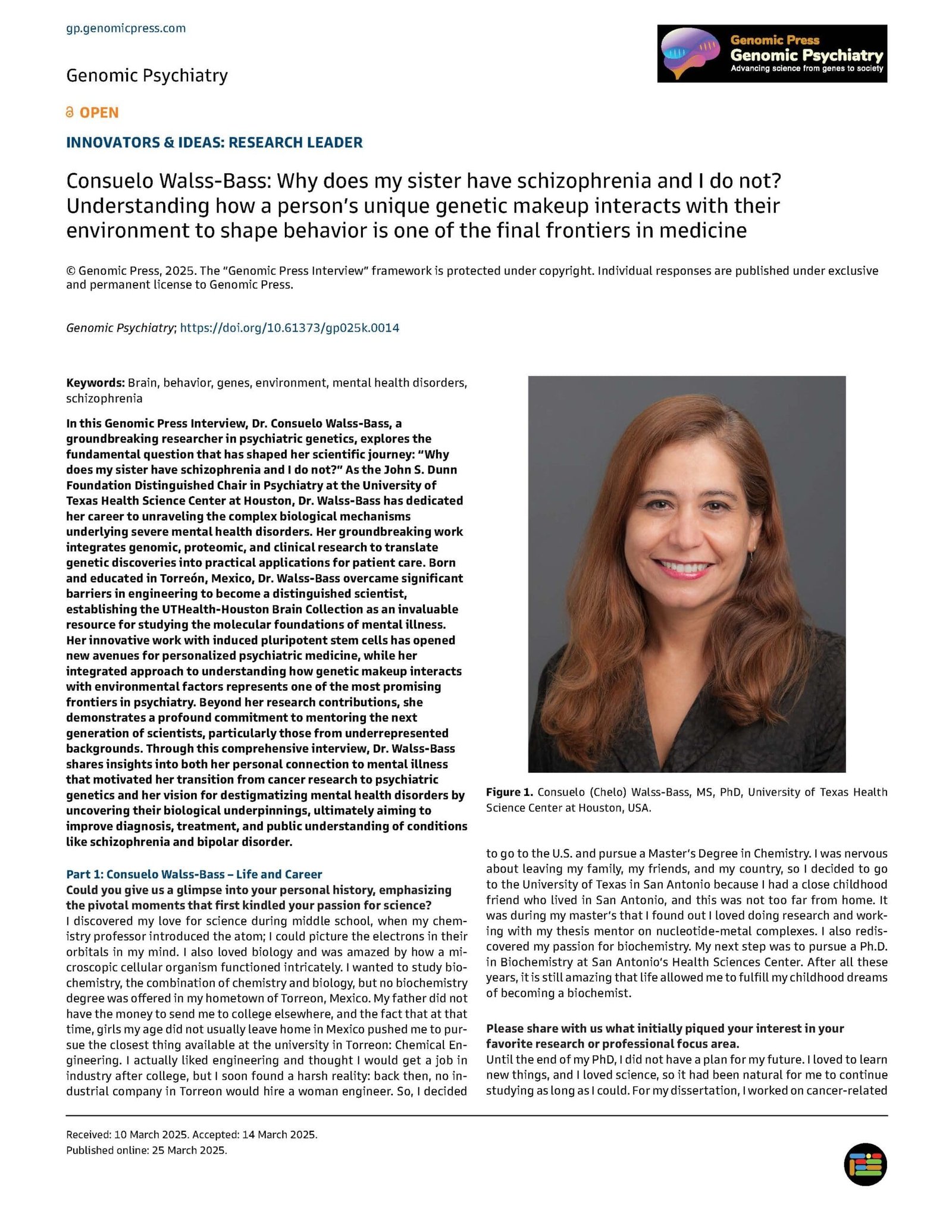
Walss-Bass directs the Psychiatric Genetics Program at McGovern Medical School, UTHealth Houston, and holds the John S. Dunn Foundation Distinguished Chair in the Department of Psychiatry and Behavioral Sciences. Her research sits at the intersection of genomics, epigenomics, transcriptomics, and cellular neuroscience — a multi-omics approach unified by a single question: what makes certain individuals vulnerable to developing psychiatric disorders when others, carrying the same genes and raised in the same environment, are spared?
Her work is funded by concurrent NIH R01 grants and spans schizophrenia, bipolar disorder and suicide, substance use disorders, HIV neuropathogenesis, and cocaine addiction genetics across international cohorts. She has testified before the Texas legislature on mental health policy and has served on numerous NIH study sections.
Walss-Bass is also a co-author of a landmark consensus report by the International Society of Psychiatric Genetics, published in the American Journal of Medical Genetics Part B: Neuropsychiatric Genetics in 2025, that establishes a framework for equitable collaboration between researchers in high-income and low- and middle-income countries. The report addresses the problem of "helicopter research," scientists from wealthy nations collecting data in poorer ones without reciprocity, and proposes concrete strategies for capacity building, fair data sharing, and authorship parity across the planning, implementation, and dissemination stages of global psychiatric genetics research. Her own decade-long cocaine addiction genetics collaboration in Brazil, funded through the Fogarty International Center (R01 DA044859), is a working example of the principles the report advocates.
The Foundation
In 2014, Walss-Bass founded the UTHealth Houston Brain Collection for Research in Psychiatric Disorders, in close collaboration with the Harris County Institute of Forensic Sciences. Every morning, a research coordinator visits the medical examiner's office to identify potential donors. Each brain is paired with blood, skin biopsies, toxicology reports, and detailed clinical and behavioral information gathered through family interviews and medical records. This represents a novel psychological autopsy process that gives each specimen a human context no tissue bank number could convey.
The collection has received donations from over 175 individuals with conditions including schizophrenia, bipolar disorder, substance use disorders, and major depression, alongside control donors with no psychiatric diagnosis. It has become a platform not only for her own laboratory but for collaborating investigators across the country, enabling single-cell RNA sequencing of epigenetic mechanisms regulating HIV latency in the CNS (R01 MH134392, with Rice), postmortem transcriptomic dissection of anterior insula and subgenual cingulate circuitry in bipolar disorder and suicide (R01 MH134791, with Jabbi), and genome-wide association studies of cocaine use disorder across a 2,000-subject cohort in Rio Grande do Sul, Brazil (R01 DA044859, with Schmitz), an international collaboration that Walss-Bass co-initiated a decade ago.
The methodological thread running through all of it is multi-omics: genomics, epigenomics, transcriptomics, proteomics. The material foundation is always the brain collection. And the question behind every grant, every sequencing run, every morning visit to the medical examiner's office, is the same one behind the book.
The Living Window
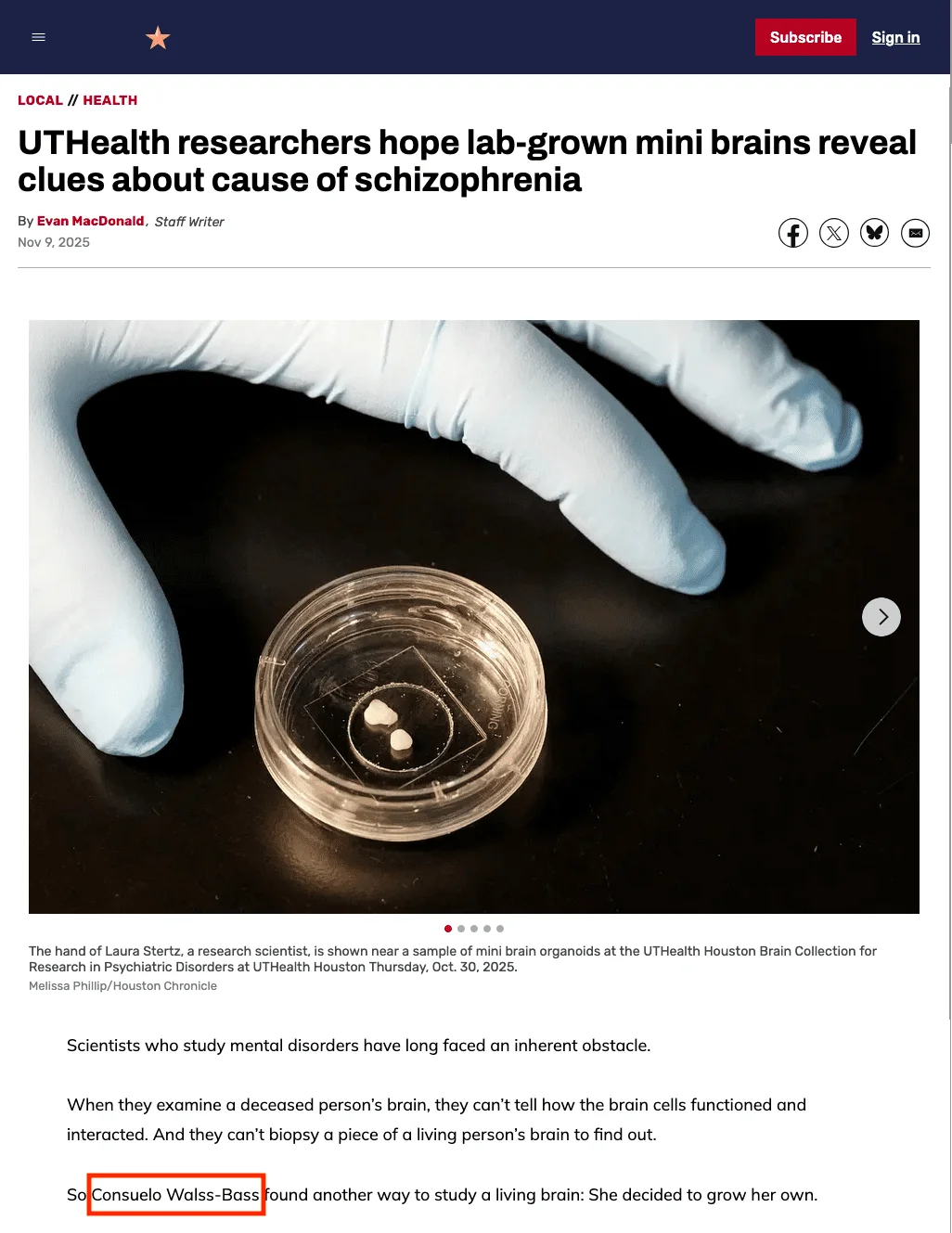
You cannot biopsy a living person's brain. But you can grow one from their skin. Using gene reprogramming, based on the Nobel Prize-winning discovery that mature cells can be converted back into stem cells, Walss-Bass's lab transforms donated skin cells into induced pluripotent stem cells (iPSCs), then differentiates them into neurons, astrocytes, and three-dimensional brain organoids smaller than a pea.
These miniature brains carry the same DNA as the donor. Her lab was among the first to identify signaling alterations in iPSC-derived neurons from patients with schizophrenia, using skin cells from affected siblings in Costa Rica to demonstrate subtle differences in how their neurons communicated. The organoid work allows researchers to study how genetic variants alter neuronal migration, synaptic formation, and development in real time, something postmortem tissue alone could never reveal.
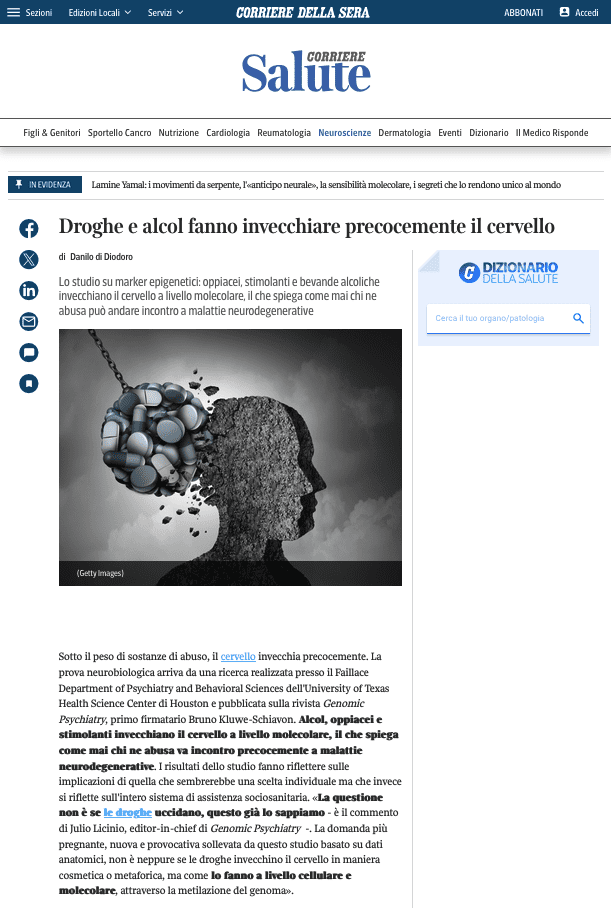
Her most recent major publication, in Genomic Psychiatry, used brain-specific epigenetic clocks to show for the first time that alcohol, opioids, and stimulants each accelerate biological aging of the brain through distinct molecular pathways. This work was covered by Italy's Corriere della Sera and science outlets worldwide. The tissue came from the brain collection. The question behind the science was the same one behind the book.
Active NIH Research Portfolio
Research in the News